| -- |
|
||||||||||||||||||||||||||||||||||||||||||||||||||||||||||||||||||
|
|
|
| -- |
|
||||||||||||||||||||||||||||||||||||||||||||||||||||||||||||||||||
|
|
|
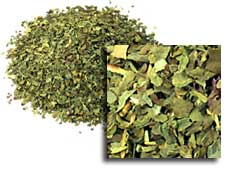 Other names: Alhabega Origin: Southern Europe Medicinal use: Against sickness and nausea. Antiseptic Culinary use: Spaghetti, salads, game, and pork dishes Comments: In Greek, it means "king" thus evidencing the very high esteem it has had through the centuries; it has a large affinity with tomato. |
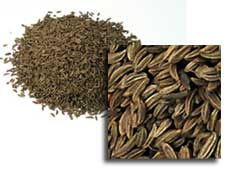 Other names: Greyish-brown cumin Origin: Caria, a locality in Asia Minor Medicinal use: Carminative stimulant; liver tonic; prevents rankness of grease Culinary use: Cakes, bread, produce, pheasant, oven-baked duck Comments: Biannual plant grown through seeds. It is used as a beauty herb in India as well as to make soap. |

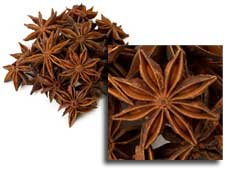 Other names: Badian, Chinese anise Origin: Native of China Medicinal use: Carminative stimulant; breath deodorant Culinary use: Oriental dishes, pork and duck with soy sauce; bread and tarts Comments: The fruit has a reddish grayish-brown color with basic oil smelling like anise and used to aromatize vermouth Producing countries: China and Vietnam. |
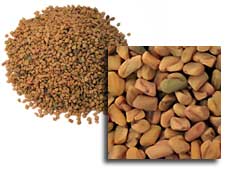 Other names: Methi Origin: Native of Western Asia Medicinal use: Invigorating tonic, external disinfectant Culinary use: Used for curry powder, Egyptian bread and dip frying Comments: One of the oldest crops already known to the Egyptian civilization and used by them to diminish fever and to embalm Producing countries: India, Greece, remaining of Europe. |
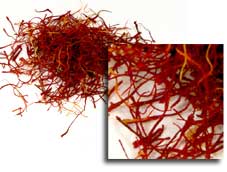 Other names: Crocus or Castile saffron Origin: Cilicia, Southern Turkey in the old city of Corico from where its name comes from Medicinal use: Contains Vitamin B2; digestive stimulant Culinary use: Fish dishes, particularly with garlic; paella; poultry and meat dishes; tomato sauce; valenciana Comments: It has a 4-year growing cycle and the two last ones provide the best crop; it is harvested by hand picking with the use of a delicate instrument two remove three stigmas of the flower Producing countries: Spain, France, Italy and Iran. |
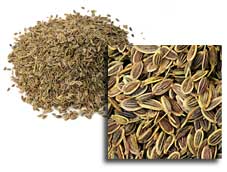 Other names: Aneldo, aneto Origin: Europe Medicinal use: Stomach carminative. Liver or kidney disorder. Suitable for diabetes Culinary use: Bread, cooked cabbage, meat, rice, pork and lamb dishes Comments: For ancient Romans, dill was a symbol of vitality; for Greeks it was a hiccups cure Producing countries: Europe |
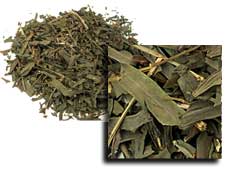 Other names: French tarragon, true tarragon Origin: Siberia Medicinal use: Stomach aperitif. Cardiac, nervous and diuretic tonic Culinary use: Tartar sauce or dill vinegar; rabbit meat; pheasant Comments: Its name means little dragon; French dill is the best. |
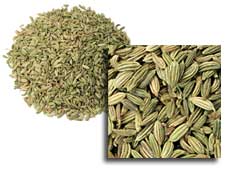 Other names: Wild fennel, finocchio Origin: Native of Southern Europe Medicinal use: Stimulant; used against obesity; grease digestive Culinary use: Sauces for fish, mayonnaise, bread and seasoned cookies Comments: This perennial plant has been used as aromatic spice and vegetable during many thousands of years; very popular between Roman and Greek civilizations Producing countries: Italy, Greece, Egypt, Spain |
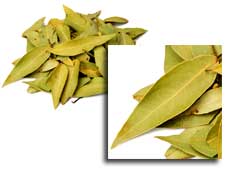 Other names: Sweet laurel, royal laurel Origin: Native of Asia Minor Medicinal use: Stimulant of appetite, Stomach digestive, nervous tonic, diuretic Culinary use: Soups, meat and poultry dishes. Also used for beer in Scandinavia Comments: This plant seems to combine with everything, from meat to fish. Cuisine from all around the world uses this plant. |
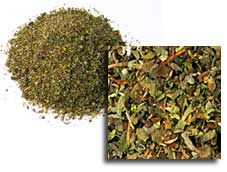 Other names: Majorana-mayorana, "amáraco" (sweet marjoram), almoradux. Oregano ? mountain joy Origin: Native of the Mediterranean region Medical use: Digestive carminative; blood purifier. Vitamin C Culinary use: It is the quintessence for pizza preparation. In Mexico it is also an ingredient of chili powder and particularly in tomato sauce Comments: These two plants are intimately related; therefore, it is not necessary to describe them separately. Marjoram has a more delicate flavor and it is softer than oregano Producing countries: Mexico; Mediterranean countries. |
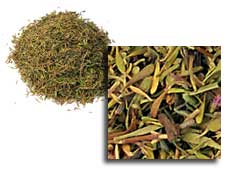 Other names: Tomello, tremoncillo, serpol Origin: Mediterranean region Medical use: Antispasmodic digestive; acts against flue. Excellent antiseptic Culinary use: Lamb, game meat, and rabbit, duck and goose Comments: It is a digestive plant for grease foods and one of the best-known culinary plants in Europe Producing countries: Northern Africa and Mediterranean coast. |
 Other names: Vanigla Origin: Southern Mexico Medical use: Against flue; digestive stimulant Culinary use: Syrup for deserts, puddings and ice cream Comments: The best hulks are flexible but strong; the best vanilla is grown in the State of Veracruz Producing countries: Mexico, Madagascar, Central America. |
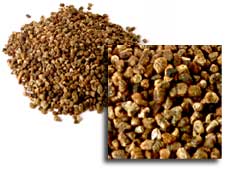 Other names: Cardaman, cardamome, melegueta pepper Origin: Egypt and India Medical use: Breath deodorant; digestive stimulant Culinary use: German pastry; Indian dishes and for curry powder Comments: After saffron and vanilla, it is the most expensive spice Producing countries: Sri Lanka, Guatemala, Burma. |
